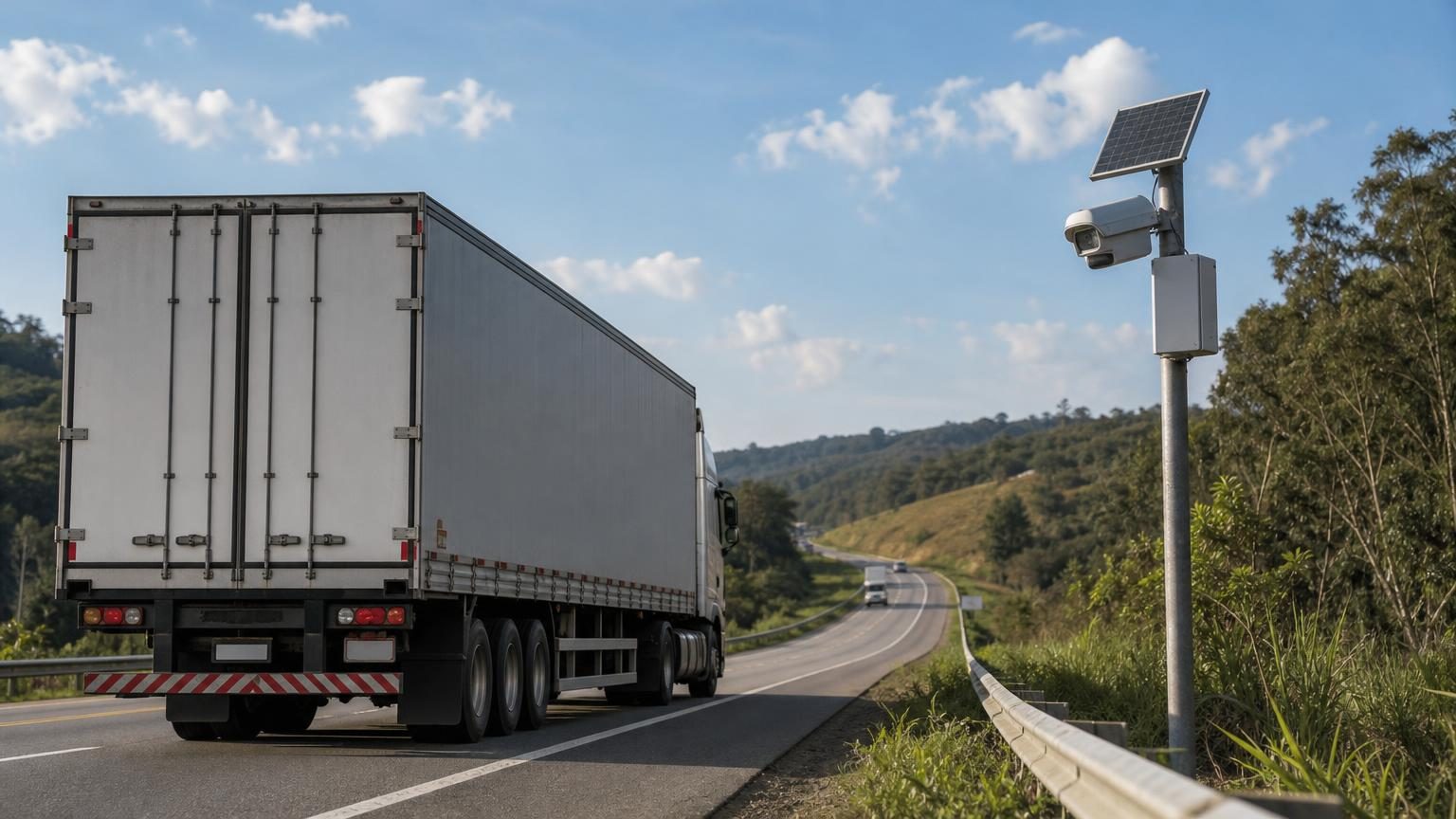
The data released
The ANTT publication of 1th of October reports 44 fires in the first half of 2026 on the section granted to EPR Via Mineira, with a reduction of 31% compared to the same semester of 2025. The report describes maintenance of the right-of-way, monitoring, and activation of response resources.
Context: separating observed result from cause
The decrease in the number of records is relevant data, but it does not demonstrate by itself that a specific measure produced the reduction. To attribute causality, information would be needed to evaluate other factors, such as weather conditions, exposure, and registration criteria. The news does not offer this analysis. Therefore, the correct formulation is “the source reports a reduction,” not “the system proved its effectiveness.”
For travel planning, the practical consequence also needs to be specific. A semi-annual report does not inform if there is smoke, blockage, or restriction on today's route. Carrier and shipper should base scheduling adjustments on current operational notices and the confirmed situation of the trip, without extrapolating the historical percentage to estimate the probability of delay.
In practice: route update control
Before departure, the scheduling team can check the official channels of the section and record the date, location, and nature of a relevant notice. If there is a confirmed intervention, associate the notice with the trip and the delivery window; if not, do not invent a delay time based on the fire report.
In contact with the client, differentiate between risk notice, confirmed interruption, and release. These states are not equivalent and do not support the same decision. When comparing a possible detour, record the additional distance and expenses in the trip planner; the financial calculation does not determine if the alternative is safe or authorized.
For the independent driver, the useful point is to keep the operation and road service contacts accessible. The mowing and maintenance of the right-of-way described in the source are activities of the concessionaire, not a recommendation for the reader to perform services on the roadside.
Limits of this analysis
The text does not replace service guidelines for an occurrence. Sufficient data to calculate individual risk or safety gain per trip were not published in this source. The semi-annual comparison remains historical information, with limited scope to the reported section.
References
Consult the official ANTT publication.
Editorial update of 6th of October 2026: context and recommendations reviewed, with distinction between fact, hypothesis, and limits. The original publication date was preserved.