Use this dossier when your overseas team has a product and a destination but has not yet agreed who owns the Brazilian stages. The deliverable is a responsibility sheet, not an estimate of customs approval or a promise of transit time.
Describe product, packaging, quantity, cargo value and receiving conditions. Ask the responsible local specialists to confirm the applicable import process before booking transport.
Map release, terminal collection, inland movement and receipt. Name a decision-maker for each handoff and record what evidence releases the next stage.
Request two end-to-end proposals with exclusions and validity dates. Simulate delayed cargo availability, then agree who authorises waiting, storage and rescheduling costs.
Use this dossier before circulating a freight request. The output is a shared specification and evidence file so that your team can explain why a provider was selected. A registration check and a competitive price do not replace assessment of the actual service.
Send every bidder the same route, cargo profile, delivery window and loading responsibilities. Require included, excluded and conditional charges to be separated.
Identify the contracted entity and actual operator. Record the official registration consultation, subcontracting arrangements and the route-specific insurance questions for your advisers.
Define the evidence for pickup, arrival and accepted delivery. Test one delayed delivery and agree an escalation contact before the pilot. Measure the pilot against the agreed service.
Use this dossier after establishing the entry operation. Organise your own shipment and receiving information before deciding where to consolidate loads or how often to replenish customers. The objective is a testable distribution design, not a generic ranking of Brazilian regions.
Group destinations by actual receiving needs, shipment size and service frequency. Separate confirmed demand from forecasts; document the observation period behind each assumption.
Compare two operating scenarios using the same cargo and service scope. Include delivery attempts, handling and empty-return assumptions where relevant, avoiding costs already inside the supplier quote.
Run a bounded pilot and record promised versus observed milestones, exceptions and their causes. Revise the plan using your own evidence; keep a recovery route and contact for each critical handoff.
Published analysis, ordered by publication date, on costs, contracting, documents and infrastructure. Open each report for its evidence, scope and dates.
SVRS made available in homologation the Presumed Credit Appropriation event provided for in NT 2026.004. Shippers and carrier service takers must structure their systems to register the event with code 02 in freight issued via NFF or PAA.
For your Brazilian operation: Check the scope of the reported change with the party responsible for your Brazilian contract and documents.
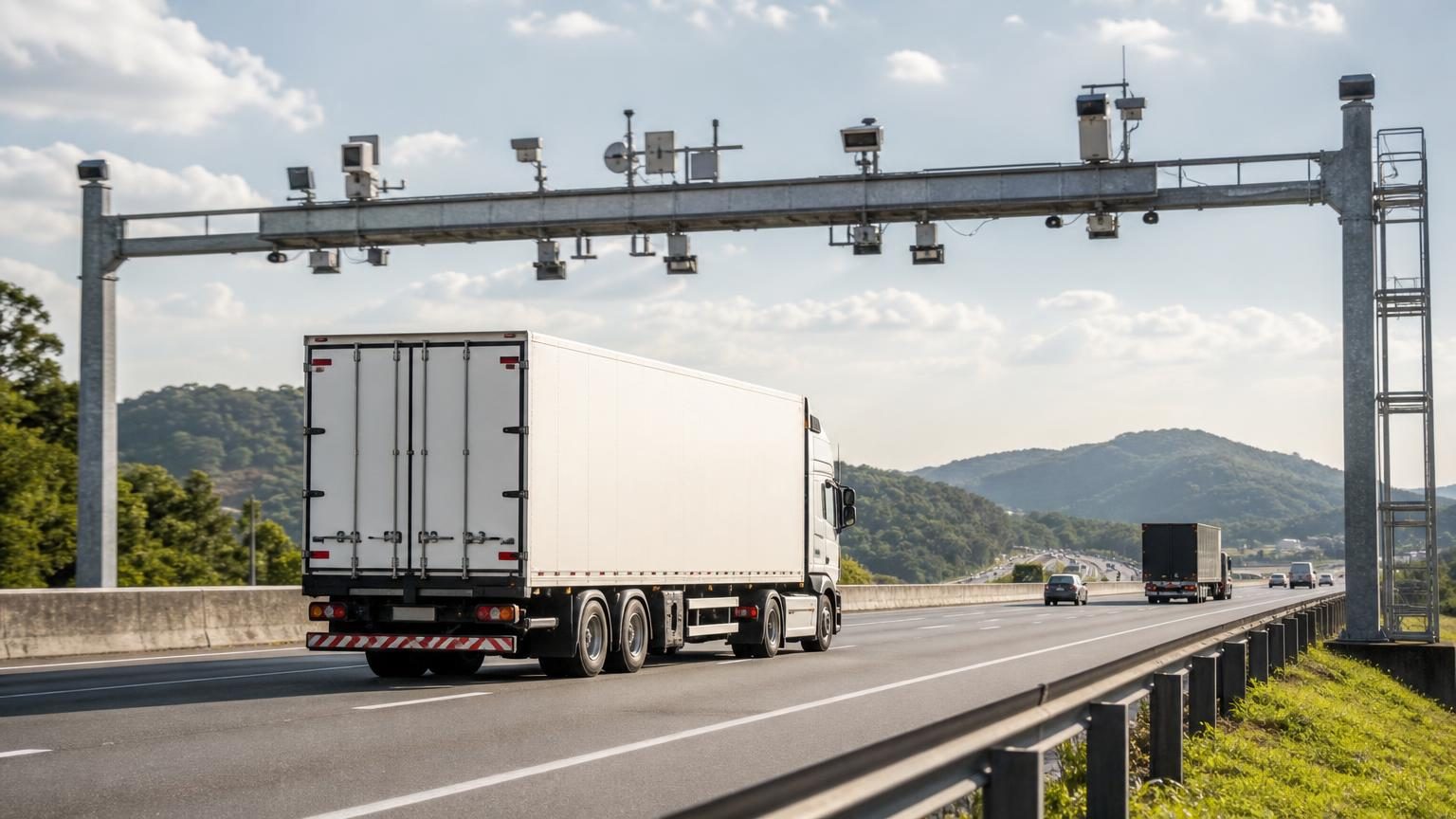
ANTT held a public hearing on a Regulatory Sandbox for Free Flow, aiming for payment interoperability. Carriers should follow developments to understand how future system integration will impact cost management and toll reconciliation.
For your Brazilian operation: Compare the locations and dates in this report with your planned route and delivery window.
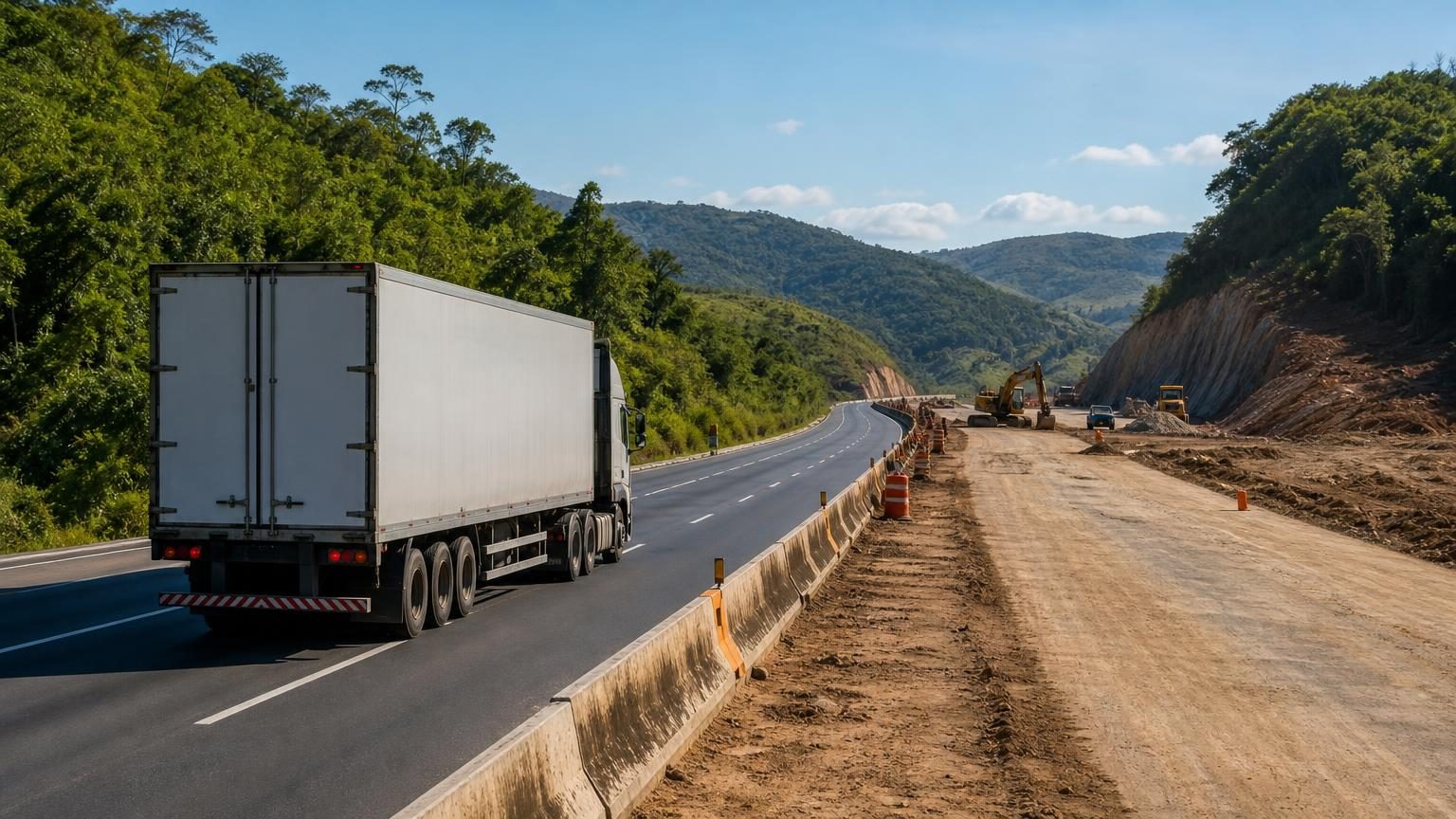
ANTT held meetings about the concession of Ecovias Rio Minas, discussing works and contractual changes. Transporters should record the stage of the works and await confirmations before adjusting operations.
For your Brazilian operation: Compare the locations and dates in this report with your planned route and delivery window.
ANTT announced the start of the implementation of PRF units in Lindoeste and Foz do Iguaçu. The announcement serves as a reference to monitor the infrastructure of the sections, but does not prove immediate changes in service or travel time.
For your Brazilian operation: Compare the locations and dates in this report with your planned route and delivery window.
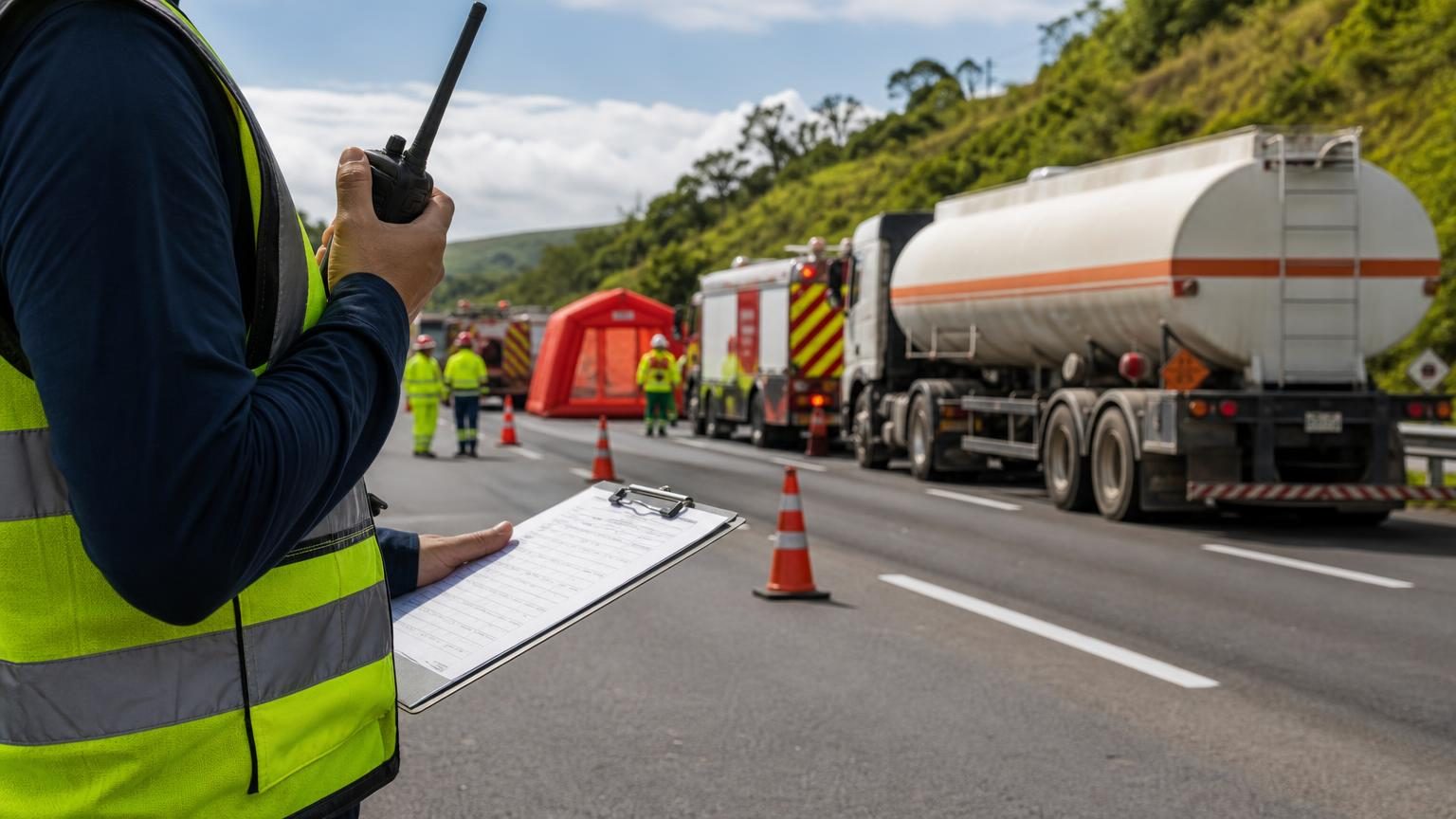
The exercise monitored by ANTT tested a scenario with vehicles, victims, and hazardous cargo. For carriers and shippers, the practical application is to check the information flow of the operation, without assuming that a simulation proves performance in real occurrences.
For your Brazilian operation: Compare the locations and dates in this report with your planned route and delivery window.
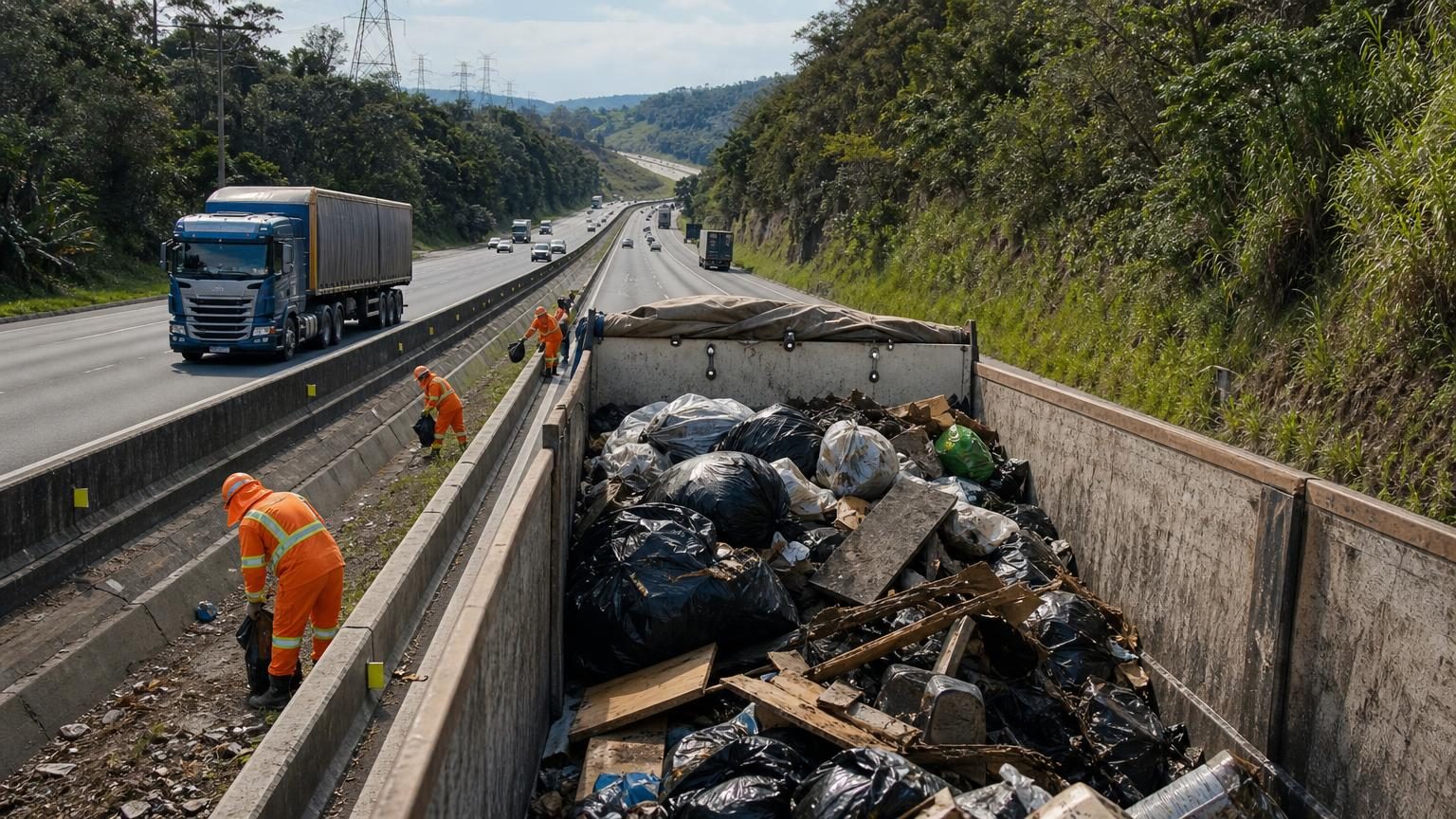
ANTT released numbers on waste collection and disposal from BR-040. The reading requires separating the accumulated since 2024, the cut-off for the first half of 2026, and the historical planting data; they do not represent the same indicator.
For your Brazilian operation: Compare the locations and dates in this report with your planned route and delivery window.
Brazil’s land transport agency / its national road freight carrier registry. Use the official consultation to check a carrier’s registration.
Embarcador / transportador
Shipper / carrier. Identify who contracts the movement and who actually performs it; they may be different businesses.
CT-e / MDF-e
Electronic transport tax document / electronic manifest of tax documents. Confirm which documents and issuers apply to your operation.
R$ / BRL
Brazilian reais. Keep the currency, unit, date and exchange-rate assumption visible in every cost comparison.
TRRC planning frameworks help you prepare decisions. They are not a determination of your tax, customs or transport obligations. Official references may be in Portuguese; check the current requirements for your cargo and contract.